Sale
Fungal pathogens and crop management systems: Influence of Crop Management systems on occurrence of fungal pathogens
Grin Verlag
ISBN13:
9783389137550
$40.90
$39.84
(No reviews yet)

Write a Review

Grin Verlag
Fungal pathogens and crop management systems: Influence of Crop Management systems on occurrence of fungal pathogens
Bachelor Thesis from the year 2025 in the subject Biology - Micro- and Molecular Biology, grade: Distinction, course: BSc Biotechnology, language: English, abstract: Pathogenic fungi in tomato plants (Solanum lycopersicum) pose a significant threat to agricultural productivity and food safety. This study aimed to isolate and identify pathogenic fungi from tomatoes grown under different crop management systems, and to compare their occurrence across these systems. Ninety-six tomato samples were collected from each of the four plots depicting different management regimes in Mohales-Hoek, Lesotho. Plots were dedicated to a specific management system comprising a natural system (control), conventional system, integrated system and inter-cropping. The samples were transported to the microbiology laboratory at the National University of Lesotho. Pathogenic fungi were isolated using potato dextrose agar (PDA) and identified through macroscopic and microscopic observations. Four pathogenic fungal genera of Alternaria, Penicillium, Botrytis, and Fusarium, were identified and the percentage incidence of fungi genera was calculated. The study revealed variations in the incidences of these fungi across different crop management systems. The highest occurrence was found in Alternaria, which ranged from 22.29% in integrated systems to 48.96% in the natural system. Fusarium occurrence varied from 11.46% (integrated) to 18.75% (natural and intercropping). In the natural system, Penicillium was the most common (19.79%), whereas Botrytis was the least common in intercropping (2.13%). Comparing integrated and intercropping systems with conventional and natural approaches, revealed considerable decreases in fungal contamination. In conclusion, the present study hypothesises that effective and sustainable crop management is capable of lowering post-harvest losses and fungal diseases. The study further suggests instituting integrated management systems may improve tomato output and re
- | Author: Sempe Ntaote
- | Publisher: Grin Verlag
- | Publication Date: Jan 03, 2025
- | Number of Pages: 00038 pages
- | Binding: Paperback or Softback
- | ISBN-10: 3389137556
- | ISBN-13: 9783389137550
- Author:
- Sempe Ntaote
- Publisher:
- Grin Verlag
- Publication Date:
- Jan 03, 2025
- Number of pages:
- 00038 pages
- Binding:
- Paperback or Softback
- ISBN-10:
- 3389137556
- ISBN-13:
- 9783389137550
-
-
Sale
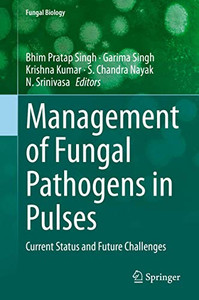
Management of Fungal Pathogens in Pulses: Current Status and Future Challenges (Fungal Biology)
$232.16 $199.99Springer
-
Sale
Decline Of Mediterranean Fruit Crops And Forests Associated With Fungal Trunk Pathogens
$72.96 $65.61Mdpi AG
-
Sale